The climate conversation doesn’t have to feel heavy or out of reach. It starts right here, with us: neighbors learning from neighbors.
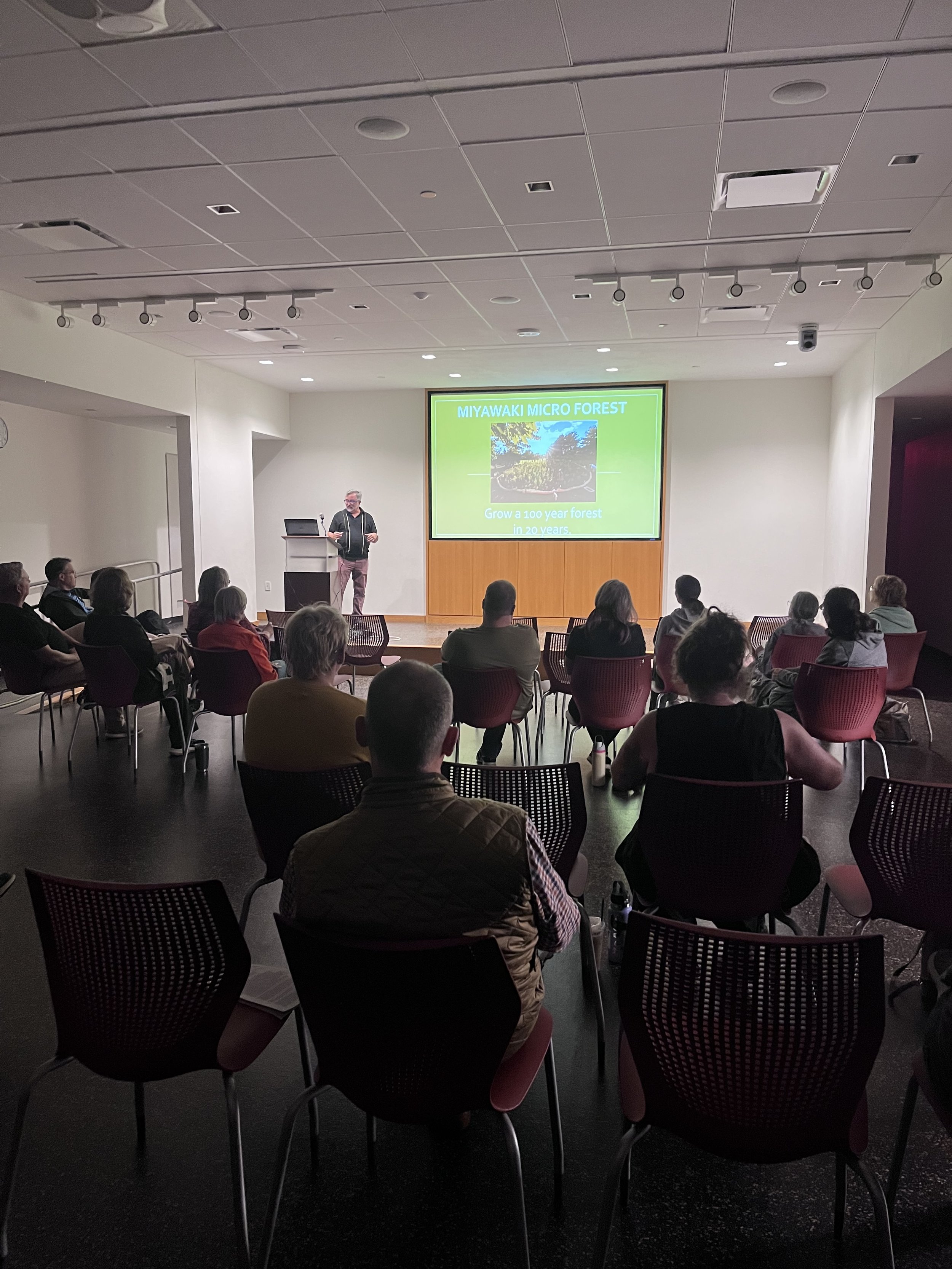
Real Talk, Real Neighbors, Real Change
What happens when you put climate-curious neighbors in the same room?
You get thoughtful questions, generous knowledge-sharing, and momentum that keeps growing.
DeCarbon Dialogues have quickly become a trusted space for people who want to learn, connect, and act - together.
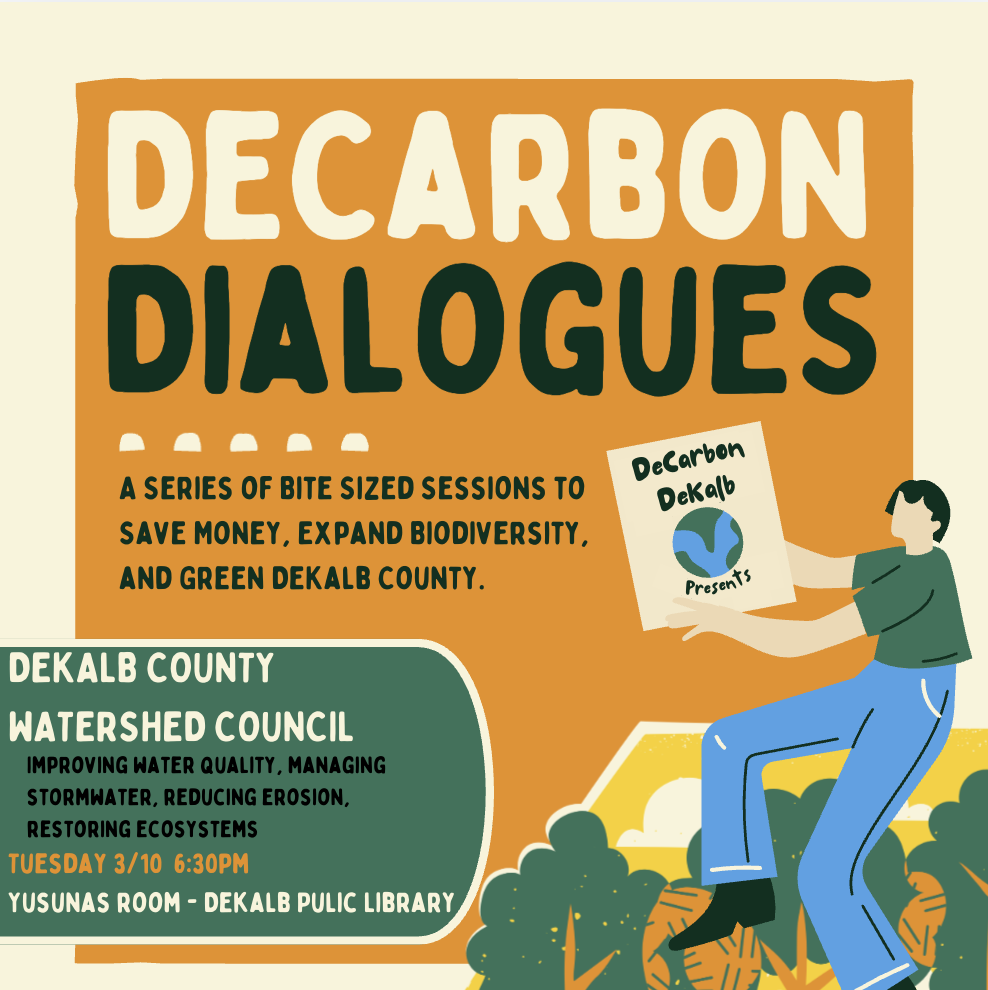
Dialogue #6 is Tuesday, March 10 @ 6:30pm
Water, Climate, and DeKalb County
Water shapes everything in DeKalb County - our farms, our neighborhoods, our basements, our infrastructure, our future.
For Dialogue #6, we’re focusing on the current state of water in our county and how local water issues fit into the climate conversation.
We’ll be joined by a board member of the DeKalb County Soil and Water Conservation District, who will share insight into:
Flooding and drainage realities in DeKalb County
Agricultural water impacts
Stormwater and infrastructure challenges
How changing weather patterns are affecting Northern Illinois
Practical ways neighbors can stay informed and engaged
This conversation will be grounded, local, and practical, rooted in what’s actually happening here.
About the Presenter
Dean Johnson is Executive Director of the DeKalb County Soil and Water Conservation District, and DeKalb County Watersheds Coordinator.
The DeKalb County Soil and Water Conservation District works to protect and improve soil and water resources across the county through conservation programs, land stewardship partnerships, and community education.
The DeKalb County Watersheds Council works with landowners, farmers, and communities to protect and improve local water quality through practical, science-based watershed conservation efforts.
Why Water? Why Now?
Water is one of the clearest ways climate change shows up locally. Heavier or fewer rain events. Shifting growing seasons. Drainage pressures. Infrastructure strain.
Understanding what’s happening beneath our feet and flowing through our fields helps us make better decisions - as homeowners, farmers, business owners, and neighbors.
How Partners Can Help
Spread the word - share on your organization’s newsletter or social channels.
Co-host or sponsor refreshments, print materials, or signage.
Invite your networks - civic groups, classes, businesses, and faith communities.
Collaborate on upcoming dialogues or project pilots.
Reach out for partnership opportunities!
Date: Tuesday, March 10
Time: 6:30–8:00 PM
Location: Yusunas Meeting Room, DeKalb Public Library
Presenter:
Dean Johnson, DeKalb County Soil and Water Conservation District
One RSVP gets you the whole evening.
Presented by
DeCarbon DeKalb
Real Talk. Real Neighbors. Real Change.
In partnership with:
Third Annual DeKalb County Earth Fest, NIU Sustainability, DeKalb Public Library
Hope is contagious — and so is action.
About DeCarbon Dialogues
DeCarbon Dialogues is a six-part monthly conversation series running October through March on the second Tuesday of the month at DKPL. Each dialogue spotlights a local solution - from sustainable food and clean energy to community adaptation and resilience - all building momentum toward DeKalb County Earth Fest 2026.
Earth Fest registration is open for attendees, vendors, sponsors, and volunteers!

RSVP for the next dialogue on 3/10!
FAQs
What are the DeCarbon Dialogues?
A six-part monthly series of climate conversations hosted by DeCarbon DeKalb. Each dialogue is a bite-sized, neighborly event where we talk about local solutions — from planting microforests to saving on energy at home — that can make a big difference right here in DeKalb County.
Who should attend?
Everyone! Students, families, business owners, elected officials, and climate advocates of all experience levels. Whether you’re brand new to the topic or a seasoned expert, you’ll find something useful and inspiring.
Why are you doing this now?
Because climate change is already shaping our lives — and local action matters. Northern Illinois has a huge opportunity to adapt and thrive, but it starts with neighbors learning, laughing, and working together. The Dialogues keep the momentum going towards our big annual event DeKalb County Earth Fest (April 11, 2026).
Do I need to know anything about climate science to attend?
Nope. If you can learn, ask a question, or share an idea — you’re ready. We keep things approachable, neighborly, and fun.
Is it really free?
Yes! Thanks to community support and the DeKalb Public Library, all DeCarbon Dialogues are free and open to the public.
How often do these happen?
Once a month, every second Tuesday from October to March. Each month covers a new theme: energy savings, food systems, resilience, and more.
How does this connect to Earth Fest?
DeCarbon Dialogues build community year-round, while Earth Fest is our big annual gathering. Think of the Dialogues as practice runs and pollination for projects that can shine at Earth Fest 2026.
Where can I learn more or get involved?
Email Andy and Kendra at hello@decarbondekalb.com, and follow @DeCarbon_DeKalb for updates.